

Fluoride in Drinking Water: An Underestimated Risk in Switzerland as Well
Fluoride is often portrayed as beneficial to health, but recent studies also point to risks. Learn why fluoride in water is viewed with skepticism and how EVODROP helps filter fluoride out of drinking water safely and sustainably.
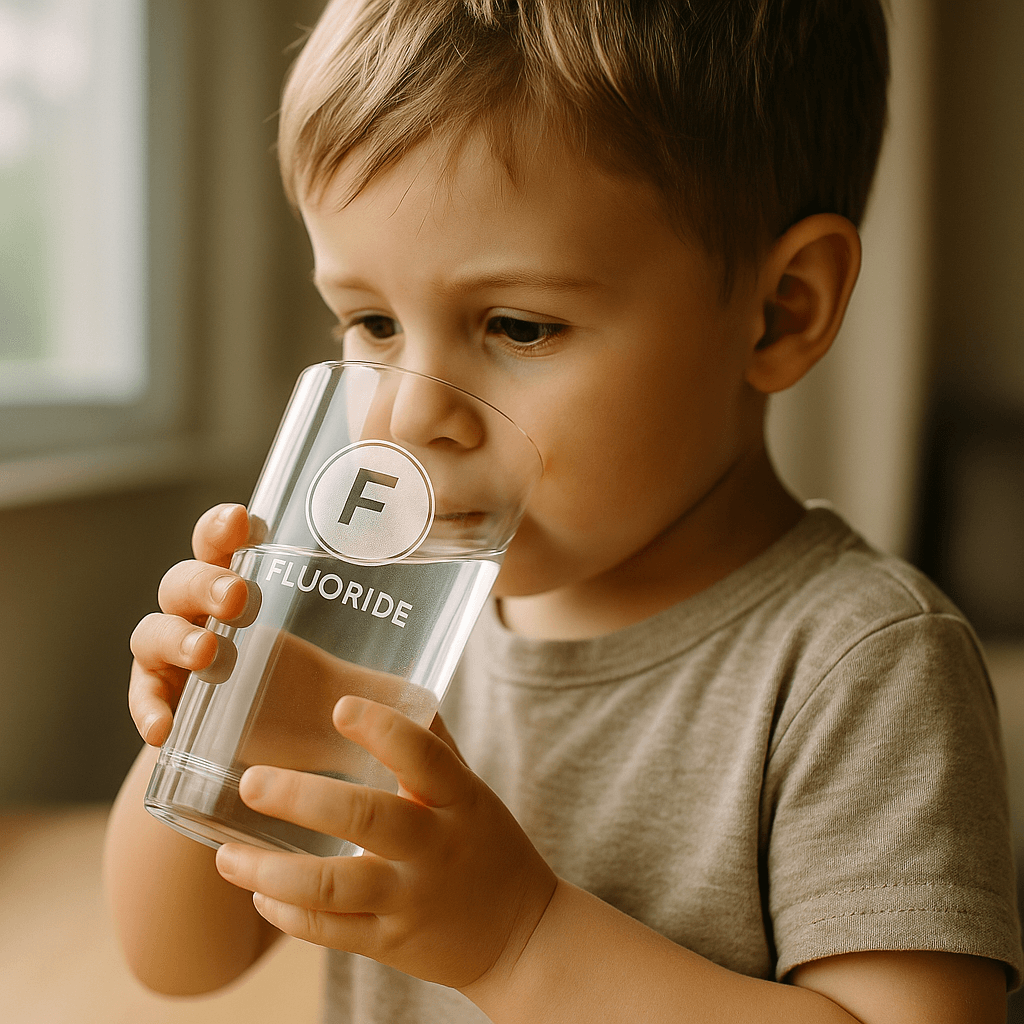
Fluoride in Water: Why It's Time to Take a Closer Look
Water is our most essential nutrient; we consume it every day, it is vital to our survival, and it plays a central role in our health. In Switzerland, in particular, drinking water is considered among the cleanest in the world. Yet even here, one issue is raising increasing concerns: fluoride in drinking water.
While fluoride is often associated with dental health and cavity prevention, new studies and international debates show that it can also pose health risks, especially with long-term exposure or among vulnerable groups. It is therefore worth taking a closer look: Where does fluoride come from? Why is it added? And how can you protect yourself from it?
What is fluoride, and why is it added to the water?
Fluoride is the chemically bound form of the element fluorine and occurs naturally in soil, rock and groundwater. In low concentrations, it can be completely naturally present in water.
In many countries, including parts of Switzerland, fluoride is intentionally added to drinking water to improve the population’s dental health. The idea behind this is that fluoride strengthens tooth enamel and prevents tooth decay.
However, this benefit is controversial, as studies also show that:
- Too much fluoride can lead to dental fluorosis (white spots or discoloration of the teeth).
- Higher intake can lead to skeletal fluorosis, a painful hardening of the bones.
- Fluoride is also suspected of influencing cognitive development in children.
Important: Fluoride is not an essential trace element; we do not need to obtain it from drinking water.
What is the situation in Switzerland?
In Switzerland, fluoride is not added to drinking water nationwide, but there are regions with naturally elevated fluoride levels and some municipalities that deliberately add fluoride to their drinking water supply or have done so in the past.
According to the Federal Office of Public Health (FOPH), the limit value is 1.5 mg/L. However, research shows that even significantly lower values can be problematic with long-term intake - especially in children, the elderly or people with pre-existing conditions.
EVODROP: Your trusted Swiss partner for fluoride-free water
As a Swiss provider of modern water treatment solutions, EVODROP is setting new standards in the targeted removal of fluoride from drinking water. Our technologies filter out not only fluoride but also other undesirable substances such as hormones, pesticides, and heavy metals—all without the use of chemicals or salt.
The EVODROP advantages at a glance:
✅ Reliably filters fluoride out of the water
✅ Retains important minerals such as calcium & magnesium
✅ Environmentally friendly and low-maintenance
✅ Swiss-engineered with a 20-year guarantee
✅ Ideal for households with children & health-conscious people
Our solutions
Our water treatment systems define the state of the art. With a total of around 25 patent applications / patents in 6 patent families, we establish unique products on the market
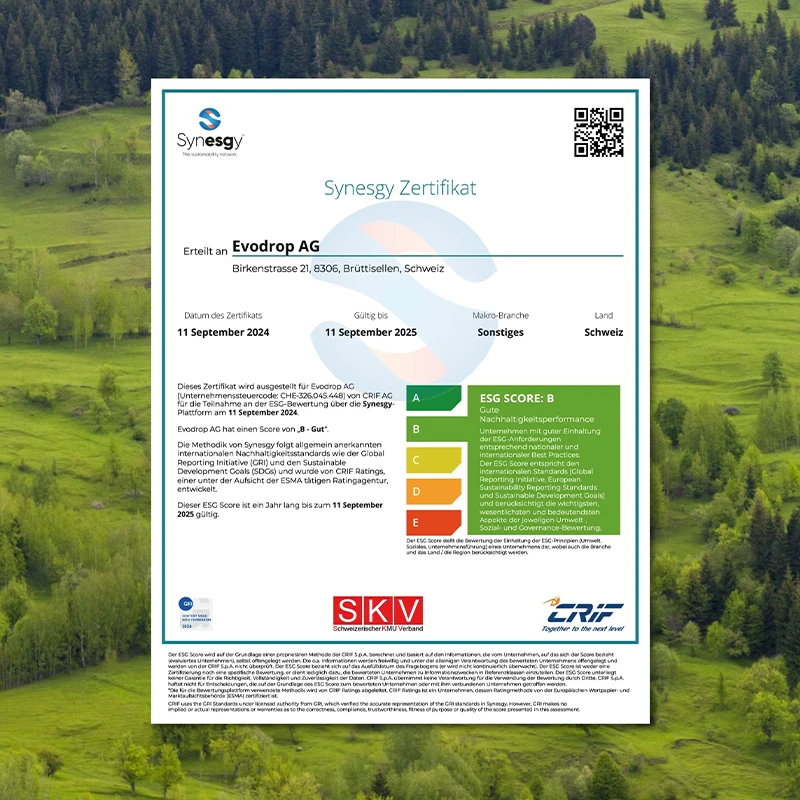
Awarded for innovation and quality
Our technologies set new standards in water treatment. Confirmed by international awards and independent experts worldwide.











The Importance of Fluoride in Water: Balancing Benefits and Risks
Fluoride in drinking water is an issue that has polarized opinion for decades. While in some countries it is considered a sensible measure to prevent tooth decay, the number of critical voices is also growing worldwide. In this section, we take a differentiated look at the role of fluoride in water, the potential risks of excessive intake and why more and more households are opting for fluoride-free drinking water with EVODROP.
Is fluoride in drinking water good for you, or not?
Fluoride is a natural component of many soils and water sources and has been added to drinking water in numerous countries since the mid-20th century with the aim of improving the population’s dental health. In small doses, it can actually help remineralize tooth enamel and increase resistance to tooth decay. These effects are particularly significant in regions with poor oral hygiene or limited access to dental care.
However, the potential long-term effects of regular fluoride intake through drinking water are not without controversy. Even slightly elevated intake can lead to dental fluorosis, a discoloration or damage to tooth enamel that occurs primarily in children. In more severe cases, the skeletal system may also be affected. International research is also exploring potential links between excessive fluoride intake and thyroid dysfunction, neurological development in children, or even bone density-related diseases in adulthood. Therefore, precise dosing and individual monitoring are crucial.
Does Swiss drinking water contain fluoride?
In Switzerland, fluoride is not added to drinking water on a centralized or nationwide basis, as is sometimes the case in the United States or Ireland, for example. The fluoride levels detected in the water generally originate from natural sources, particularly in regions with fluoride-bearing rock or thermal springs. Concentrations are usually below the WHO limit of 1.5 mg/L. Nevertheless, studies show that regional variations do exist, depending on the water’s source and geological conditions.
For the general public, this means that even though Swiss tap water is officially considered safe, the actual fluoride content varies from place to place. Those who want to err on the side of caution—especially parents of children or people with pre-existing health conditions—can provide additional protection by using a targeted water filtration system.
Why some people reject fluoride in water
A key criticism of targeted fluoridation of drinking water is the involuntary ingestion of an active ingredient without the opportunity for individual choice. While medications are prescribed in personalized doses, this is not the case with drinking water; everyone drinks the same amount, regardless of age, weight, health status, or fluoride intake from toothpaste and diet. Many experts therefore call for greater differentiation and freedom of choice regarding fluoride intake.
Furthermore, ethical concerns argue against the addition of fluoride: Critics view it as a form of forced medication of the population, without explicit consent or close monitoring. Especially in an era when individuality and personal responsibility are playing an increasingly important role in health matters, many people prefer water without artificial additives—including fluoride.
Potential health risks associated with fluoride, particularly in children
While fluoride can be beneficial in low concentrations, regular overexposure increases the risk of chronic health consequences. Especially during childhood, when teeth and bones are still developing, too much fluoride can lead to permanent damage. The most common manifestation is dental fluorosis, but the risk of skeletal fluorosis—a gradual hardening and brittleness of the bones—has also been documented. Additionally, some studies point to potential endocrine and neurological effects that can cause problems in sensitive individuals. Anyone who values long-term health should consciously monitor their fluoride intake, not only through toothpaste but also through daily drinking water.
EVODROP: sustainable water filtration, free of unwanted additives
The solution lies in state-of-the-art technology, such as that offered by EVODROP: Our water treatment systems not only remove fluoride from the water, but also other unwanted micropollutants such as hormones, pesticides, heavy metals, and pharmaceutical residues—all without the use of chemical additives or salt.
EVODROP offers:
- Multi-stage, biologically and physically effective filtration
- The preservation of all important minerals such as calcium and magnesium
- Swiss quality, developed and manufactured to the highest standards
- Durable products with up to 20 years warranty
- Environmentally friendly solutions for health-conscious households.
This way, you stay in control of your water quality and decide for yourself what you drink. No hidden risks. No unnecessary additives. For you. For your family.
Can I remove all unwanted substances from my water with Evodrop?
Yes, Evodrop's water treatment systems specifically filter a wide range of unwanted substances, including heavy metals, microplastics, limescale and - depending on the model - fluoride. This gives you pure water that is free from impurities.
Are the Evodrop systems environmentally friendly?
Yes, Evodrop relies on sustainable water treatment technologies without chemicals. Our systems conserve resources and contribute to a more environmentally friendly use of water.
How can I buy an Evodrop system for fluoride-free water?
Contact us by phone on +41 44 888 50 05 or by e-mail at info@evodrop.com to find out more about our systems and select the right model for your needs.



Evodrop.com in the individual test at getestet.de
How does Evodrop perform in the areas of website, performance and service? The renowned seal of approval "getestet.de" took a close look at Evodrop's concept, website and customer service.
Frequently asked questions about fluoride in drinking water and EVODROP
Is fluoride added to drinking water in Switzerland?
In Switzerland, fluoride is not added to drinking water across the board, as is the case in some other countries. The fluoride contained in water usually comes from natural sources, e.g. from rock strata or thermal springs. The content can vary depending on the region. Targeted fluoridation to prevent tooth decay no longer takes place in Switzerland.
Is fluoride in water healthy or harmful?
Why is fluoride in water problematic for children?
Children are particularly sensitive to fluoride because their tooth enamel and skeletal system are still developing. Even slightly elevated levels over an extended period can lead to permanent damage, particularly tooth discoloration (dental fluorosis). For this reason, careful monitoring of fluoride intake in children is especially important.
How can fluoride be filtered out of drinking water?
Are important minerals preserved with EVODROP?
Yes. Unlike reverse osmosis systems, which often remove all substances—including healthy minerals—EVODROP ensures that valuable trace elements such as magnesium and calcium remain in the water. This way, you can enjoy pure water free of harmful substances, yet with its natural taste and mineral content.
For whom is an EVODROP water filter particularly useful?
EVODROP is particularly recommended for:
- Families with children
- Pregnant or breastfeeding women
- People with thyroid disorders
- People with a high level of health and environmental awareness
- Regions with increased natural fluoride content
How complex is the installation and maintenance?
EVODROP systems are designed to be easy to install, even as retrofits in existing homes. Maintenance requirements are minimal, as the filters are durable, eco-friendly, and efficient. In addition, EVODROP offers first-class customer service and a warranty of up to 20 years.
What does fluoride-free water mean?
Why should you switch to fluoride-free water?
How does Evodrop remove fluoride from water?
Is fluoride-free water safe for children?
Is fluoride in drinking water harmful?
Can I remove all unwanted substances from my water with Evodrop?
Yes, Evodrop’s water treatment systems specifically filter out a wide range of unwanted substances, including heavy metals, microplastics, limescale, and, depending on the model, fluoride as well. This provides you with pure water that is free of contaminants.

