

Microplastics in water
Why is there no limit value for microplastics in Switzerland?
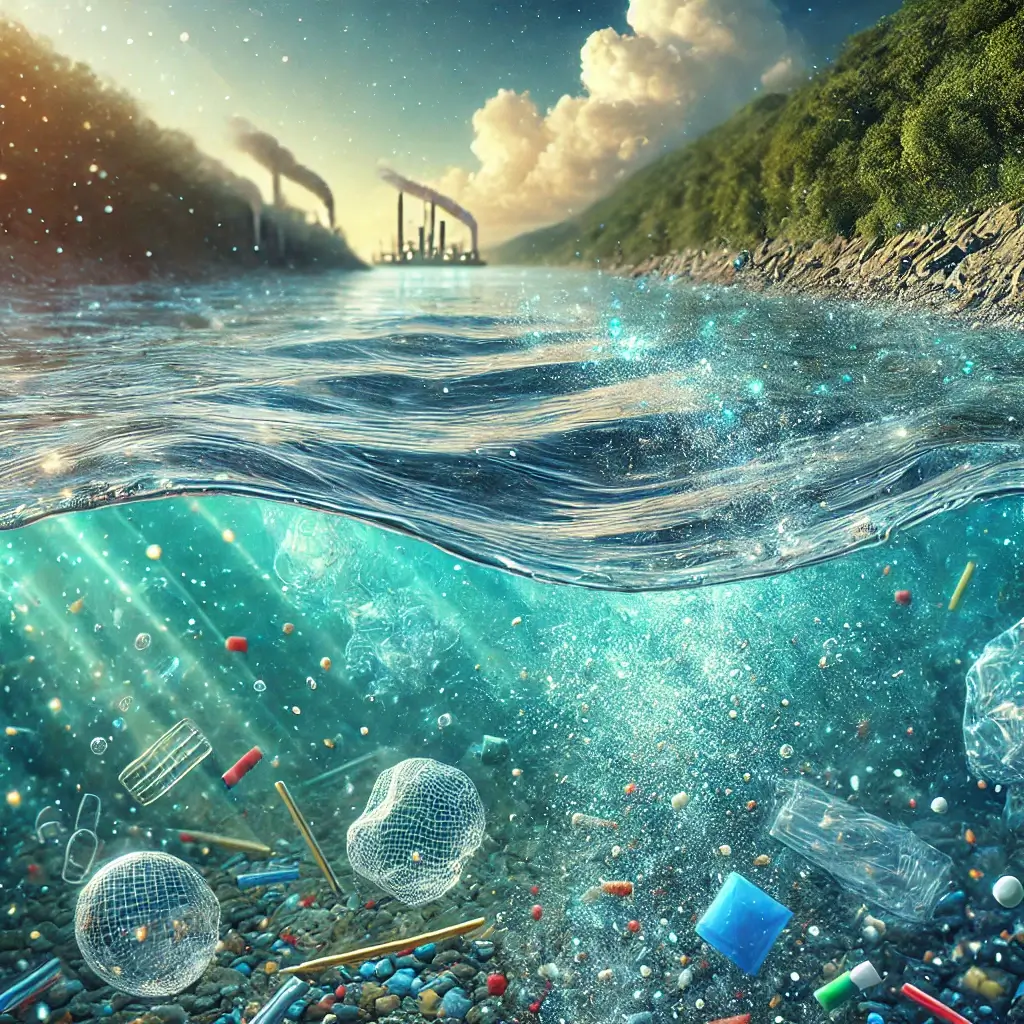
What is microplastic?
Microplastics are very small plastic particles that measure less than five millimeters at their largest dimension. These tiny particles are found in a variety of environments, from the depths of the oceans to our daily drinking water. Microplastics can come from a variety of sources, including cosmetic products, clothing and the decomposition of larger pieces of plastic.
Why are microplastics a problem?
Microplastics pose a serious threat to the environment and human health. These particles can be ingested by aquatic life and accumulate in the food chain, leading to harmful effects on animals and humans. In addition, many microplastic particles are carriers of toxins and pathogenic microorganisms, which further increases the risks.
You are currently viewing a placeholder content from YouTube. To access the actual content, click the button below. Please note that doing so will share data with third-party providers.
More InformationThe dangers of microplastics
Microplastics are dangerous not only because of their size and distribution, but also because of the long-term effects they can have on health and the environment:
- Health risks: Microplastic particles can enter the human body via the food chain. They are difficult to break down and can accumulate in organs, which can lead to inflammation or other serious health problems.
- Ecological damage: In aquatic ecosystems, microplastic particles can be ingested by marine animals, affecting their survival and reproduction. These particles can also attract and transport chemical pollutants, which increases toxicity in the water.
Do you want the best drinking water from your own tap? Then the solution is EVODROP!
Why is there no limit value for microplastics in Switzerland?
Insufficient data: There is still a lack of comprehensive scientific studies that show exactly how microplastics in drinking water affect the human body. As microplastics occur in a wide variety of shapes and sizes, there are also no standardized measurement methods that could be integrated into legislation.
Difficulty in setting limits: Microplastics comprise a wide range of particles of different sizes, shapes and chemical compositions. This variability makes it difficult to set a general limit value. In addition, there is still no scientific consensus on the concentrations of microplastics in drinking water at which health risks can occur.
Current state of regulation: The focus of water protection legislation has so far been on known pollutants such as heavy metals, pesticides and other chemical contaminants, which have already been well studied and for which clear limits have been set. Microplastics are a relatively new topic in water regulation and further research is needed to define more precise limits.
International developments: Switzerland is monitoring international developments and studies on microplastics very closely. It is possible that over time, especially as more is known about the potential health effects, legislation will be introduced. Currently, measures are based on the precautionary principle, which seeks to reduce the release of plastic into the environment in general.
You are currently viewing a placeholder content from YouTube. To access the actual content, click the button below. Please note that doing so will share data with third-party providers.
More InformationReview by international organizations: Organizations such as the World Health Organization (WHO) and the European Union are working intensively on the topic of microplastics. Switzerland could also base future regulations on the findings of these organizations as soon as there is more scientific clarity and internationally recognized measurement methods.
Overall, the topic of microplastics remains an important field of research, and it is conceivable that legal limits will also be set for microplastics in drinking water in Switzerland in the future as soon as more reliable findings are available.
Welcome to Evodrop - your trusted Swiss partner for ideal water
Evodrop is at the forefront of water treatment technology in Switzerland. With an impressive range of patented solutions, we are dedicated to providing pure and safe water quality for your home and the environment. A major issue in water treatment that is becoming increasingly important is the presence of microplastics. Through our advanced filtration systems, we are helping to combat this widespread problem.
Are pet bottles safer from microplastics?
You are currently viewing a placeholder content from Default. To access the actual content, click the button below. Please note that doing so will share data with third-party providers.
More InformationWhere do you find the most microplastics?
Microplastics can be found almost everywhere, but certain places and products are particularly problematic:
- Cosmetic products: Many beauty and care products contain microplastics that enter water systems when they are washed off.
- Synthetic textiles: Every time clothing made from synthetic materials such as polyester is washed, microplastic fibers are released.
- Degradation of plastic waste: Larger pieces of plastic that break down in the environment also contribute significantly to microplastic pollution.
What causes the most microplastics?
- Industrial waste: Large industries that use or produce plastic materials are a major source of microplastics.
Household waste: Everyday objects and waste, such as plastic bags and packaging, break down into smaller particles that end up as microplastics.
Wastewater treatment plants: Not all microplastic particles are effectively filtered out in wastewater treatment plants, which means they can end up in natural waters.
Microplastics in various water systems
Microplastics are not just a problem for the oceans, but affect all water cycles:
- In the sea: Oceans are the final repository for a large proportion of the microplastics produced worldwide.Ocean currents distribute these particles over long distances, where they are ingested by marine animals, posing a global ecological threat.
In groundwater: Groundwater is not safe from microplastics either. Microplastics enter groundwater via drains and leaking sewage systems, which can affect the quality of drinking water.
From the tap: Microplastics can enter our homes through the tap, especially in areas where water treatment processes do not effectively remove all microplastic particles. This poses a direct risk to human health.
The presence of microplastics in these different water systems underlines the need for effective and comprehensive filtration systems to ensure water quality and minimize health risks.
Solutions from Evodrop
Evodrop is committed to developing innovative and effective solutions for the removal of microplastics from water. Our technologies are the result of years of research and development and offer effective filtration without compromising on water quality.
FAQ: Microplastics and microplastics in water
What is microplastic?
Microplastics are small plastic particles less than 5 millimetres in size. It is created by the decomposition of larger plastic waste (secondary microplastics) or is used specifically in products such as cosmetics (primary microplastics).
How do microplastics get into the water?
- Input from households: Via wastewater from cosmetics, textile fibers and cleaning agents.
- Industrial pollution: release during the production and processing of plastics.
Weathering of plastic waste: Decomposition of larger plastic parts in rivers and oceans.
What risks do microplastics pose to health?
How can microplastics in water be filtered?
An effective method for removing microplastics is the use of high-quality filter systems. EVODROP offers state-of-the-art water filter technologies that safely and sustainably remove microplastic particles from drinking water without losing important minerals. These solutions are DVGW-certified and offer maximum purity.
Are all drinking water filters equally effective against microplastics?
Nein, herkömmliche Filter wie Aktivkohle entfernen Mikroplastik oft nicht vollständig. EVODROP-Systeme verwenden mehrstufige Filter mit nanotechnologischen Membranen, die selbst kleinste Partikel (<0,1 Mikrometer) eliminieren. Gleichzeitig wird das Wasser energiereicher und geschmacklich optimiert.
How does EVODROP differ from other water treatment systems?
EVODROP combines innovative technologies such as malic acid-based filtration and molecular restructuring. These systems not only guarantee the removal of microplastics, but also the preservation of natural minerals in the water. They also promote health and sustainability by energetically optimizing the water structure.
What additional benefits do EVODROP systems offer?
Protection against biocorrosion: Special coatings and technologies prevent damage caused by microbes in pipes and appliances.
Sustainability: No disposable plastic filters and minimized environmental impact.
Scientifically validated: studies show the positive effect on water quality and the human organism.
What measures can I personally take against microplastics?
- Avoid single-use plastic products.
- Use EVODROP drinking water filters to ensure that your water is free from microplastics and other pollutants.
- Support sustainable initiatives and raise awareness among your fellow human beings.

